

Mindfulness meditation effectively reduces stress and anxiety by promoting present-moment awareness and emotional balance. Techniques such as focused breathing and body scans help cultivate mental clarity, while scientific research shows its positive impact on brain activity and resilience to stress.
This practice can easily fit into daily life, requiring minimal time and no specific spiritual beliefs, making it accessible for everyone seeking greater well-being and emotional regulation.
Mindfulness meditation is a powerful tool for reducing stress and anxiety. With its roots in ancient practices, mindfulness has gained recognition for its ability to calm the mind and improve mental well-being. This article explores how mindfulness meditation can transform lives by alleviating stress and promoting a sense of peace.
Understanding Mindfulness Meditation

Mindfulness meditation is all about being present in the moment—a kind of mental workout that helps you focus on ‘now’ instead of getting lost in worries about the past or future. Sounds simple, right? Well, here’s the thing, it’s both an art and a science. Originating from Buddhist traditions, mindfulness meditation encourages you to observe your thoughts and feelings without judgment. Imagine viewing your thoughts like clouds passing by in the sky—no need to chase them, just let them drift.
This practice involves:
- Breathing Exercises: Focused breathing to anchor your attention.
- Body Scan Techniques: Observing any physical sensations from head to toe.
- Guided Visualization: Imagining peaceful scenes to promote relaxation.
By consistently practicing, you build resilience against stress and anxiety—just like training muscles in a gym. It’s about embracing each experience, whether pleasant or challenging, with an open and non-judgmental attitude. The beauty of mindfulness meditation lies in its simplicity and accessibility—anyone can do it, anywhere, at any time. It’s a small commitment with potentially profound changes.
The Science Behind Stress and Anxiety Reduction

The science behind how mindfulness meditation reduces stress and anxiety is as fascinating as it is compelling. When you meditate mindfully, you actually train your brain to function differently—better. Research shows that regular practice can lead to physical changes in both the brain and the body, fostering a state of calm and reducing stress levels.
Ever heard of the amygdala? It’s the part of the brain responsible for fear and emotion. Mindfulness meditation helps shrink the amygdala, which can lead to less stress. Neat, right?
Studies also highlight how mindfulness influences the prefrontal cortex, which governs executive functions like decision-making and emotional regulation. By reinforcing neural pathways, mindfulness enhances your brain’s ability to manage stress. It’s like upgrading your mental software to handle hefty files without crashing.
The effects on the body are just as impressive. Regular mindfulness practice can decrease levels of the stress hormone cortisol in your bloodstream. As cortisol levels drop, you’ll likely notice improved focus and a sense of calm. It’s not just mental—your whole body benefits.
In essence, mindfulness meditation quietly rewires your brain to navigate stress and anxiety more efficiently, equipping you with longer-term resilience. All this with just a few minutes a day! Science calls this neuroplasticity, but we like to think of it as your brain’s way of finding its happy place.
Effective Mindfulness Practices
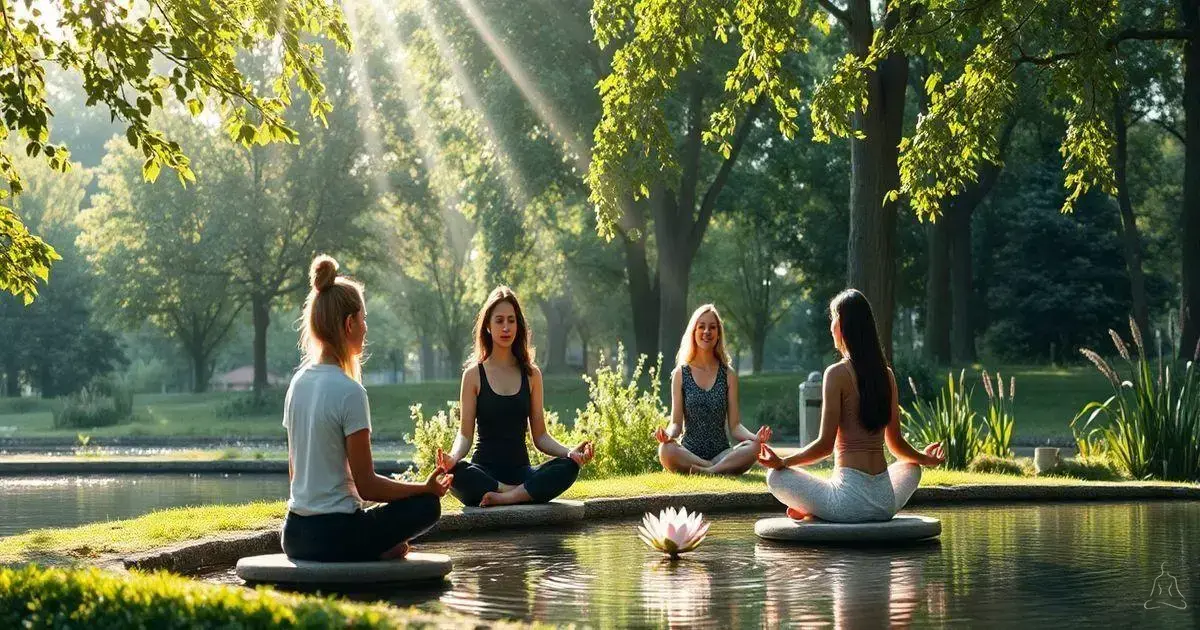
When it comes to effective mindfulness practices, it’s all about finding what resonates with you—because, let’s be honest, what works for one person might not work for another. But here’s the lowdown on some tried-and-true techniques that can get you started on the right foot.
- Breathing Meditation: It’s as simple as it sounds. Focus on your breath; each inhale and exhale is a chance to reset your mind. If your thoughts wander (which is totally normal), just gently bring your focus back to your breath—no beating yourself up.
- Body Scan: Lie down, or sit comfortably, and direct your attention to different parts of your body, from the tips of your toes to the top of your head. This practice helps you stay grounded and notice tension that might need releasing.
- Guided Meditations: Perfect for beginners! There are plenty of apps and online resources where someone walks you through the process, making it easier to stay focused and engaged.
- Mindful Walking: Yes, you can meditate while moving. Pay attention to the sensation of your feet touching the ground and the rhythm of your steps. It’s meditation on-the-go, quite literally.
- Gratitude Practice: Spend a few moments reflecting on what you’re grateful for. It shifts your focus from stress to abundance, anchoring your mind in positive energy.
These practices don’t require a ton of time or effort—just a willingness to show up for yourself. Consistency is key, so even a few minutes daily can make a world of difference. Remember, it’s not about emptying your mind or stopping thoughts; it’s more about recognizing them and gently letting them be.
Real-Life Success Stories
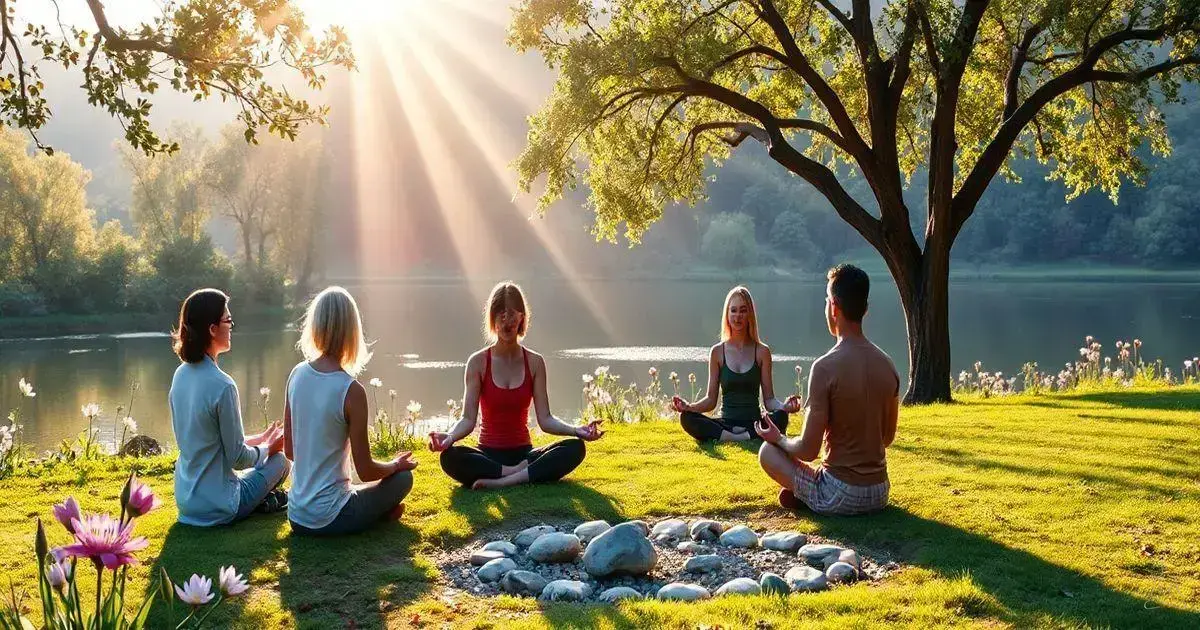
Real-life success stories about mindfulness meditation show its transformative effects far better than mere statistics ever could. Take Anna, for example—a high-stress corporate executive who felt perpetually on edge. After hitting a wall of burnout, she decided to give mindfulness meditation a try, almost as a last-ditch effort. She committed to a simple daily practice of ten minutes of mindful breathing. Over time, she noticed profound shifts in her ability to handle stress and her overall sense of well-being.
Then there’s Michael, a student who struggled with anxiety leading up to exams. After learning about mindfulness meditation from a friend, he started practicing mindfulness techniques before his study sessions. Not only did his test-taking anxiety diminish, but he also found himself more focused and better able to retain information. Talk about a win-win!
Consider Jane, a mother of two navigating the chaos of parenting. She found herself frequently overwhelmed by stress until she joined a local mindfulness workshop. Through practices like the body scan and mindful walking, Jane became more present and less reactive to daily triggers. By bringing more mindfulness into her life, Jane’s relationship with her kids improved significantly.
These stories illustrate how mindfulness meditation can be a powerful catalyst for change, regardless of circumstance. People from all walks of life—a stressed executive, an anxious student, a busy parent—are using mindfulness to reshape their worlds and find a little more peace in day-to-day life. These stories are reminders that mindfulness isn’t just a trend; it’s a meaningful practice with real-life impacts.
Common Misconceptions Debunked

When it comes to mindfulness meditation, several misconceptions can easily deter people from giving it a shot. Let’s clear the air, shall we? First on the list is the belief that mindfulness is all about ’emptying your mind.’ Truth be told, it’s not about having zero thoughts or emotions; it’s about observing them without judgment. Think of it as hosting a party where thoughts are guests who can come and go as they please.
Another common myth is that mindfulness meditation requires hours of practice each day. While longer sessions can deepen the experience, even just five to ten minutes daily can yield significant benefits over time. It’s about quality over quantity, like sipping a robust espresso rather than downing a watery cup of joe.
People often think mindfulness is solely for spiritual or religious practices. While it has deep roots in Buddhist traditions, mindfulness meditation is secular and accessible to anyone seeking peace and well-being, no matter their background.
Some worry that you have to sit in uncomfortable positions or chant mantras to practice mindfulness. Not true! Whether you’re sitting comfortably in a chair, lying down, or even walking, mindfulness can be adapted to fit your comfort and lifestyle.
Lastly, there’s the misconception that mindfulness is ‘just breathing exercises.’ While breathing techniques are popular, mindfulness encompasses a wide range of practices aimed at fostering awareness and presence in all aspects of life—from eating mindfully to having mindful conversations.
Dispelling these misconceptions reveals the authenticity of mindfulness meditation—a versatile tool for anyone looking to enhance their mental health and overall quality of life.
How to Start Your Mindfulness Journey
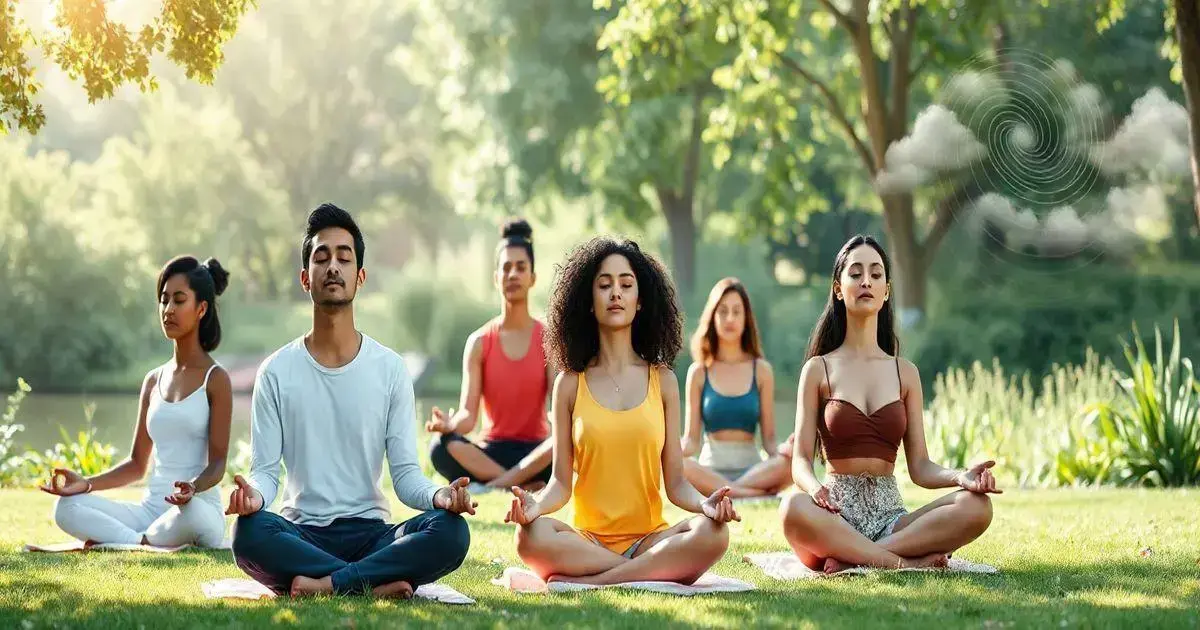
Embarking on your mindfulness journey might seem daunting, but starting is surprisingly straightforward and accessible. First things first, find a comfy spot where you can sit or lie down without distractions. Comfort is key—there’s no need to turn into a human pretzel unless that’s your thing. Let’s walk through the basic steps!
Begin by setting a gentle timer for five to ten minutes. This lets you focus wholly without peeking at the clock. Next, close your eyes and take a few deep breaths, centering yourself in the present moment. Inhale deeply… exhale slowly. Feel that? It’s like an anchor bringing you into the now.
Focus your attention on your breath, observing each inhale and exhale. Thoughts will wander, and that’s perfectly okay—they’re like clouds passing in the sky. Gently steer your focus back to your breath, embracing the ebb and flow of distraction and attention.
If sitting isn’t your thing, try a mindful walk.
Stroll at a relaxed pace, tuning into the sensations in your feet and legs. Notice the air on your skin and the sounds around you. Nature is an excellent ally in cultivating mindfulness.
For guided support, consider apps like Headspace or Calm. They offer a variety of meditations tailored for beginners and experienced practitioners alike. Engaging in community workshops or groups can also provide structure and support, sharing experiences with like-minded folks.
Remember, the key to mindfulness is patience and compassion toward yourself. There’s no perfect way to do it—just consistency and a willingness to be present. Before you know it, mindfulness will seamlessly weave into your daily routine, offering calmness and clarity when you need it most.
Conclusion
Starting a mindfulness meditation practice may seem like stepping into unknown territory, but with a bit of guidance and persistence, it can become a rewarding part of your daily routine.
By understanding how mindfulness works and adopting practices that resonate with you, reducing stress and anxiety becomes not only feasible but enjoyable. Remember, it’s not about achieving perfection—it’s about being present and patient with yourself.
As real-life success stories illuminate, the impact of mindfulness is both profound and personal, offering a pathway to greater mental clarity and emotional resilience.
Overcoming common misconceptions allows you to embrace mindfulness in a way that fits effortlessly into your lifestyle. The science signals powerful benefits, shedding light on how small, consistent actions can foster significant transformations in your neurological and emotional landscape.
So, why not step onto the path today? Even a few minutes spent on mindful breathing or a short walk with mindful awareness can set the stage for a calmer, more centered life.
Ultimately, mindfulness is a journey, not a destination—one that invites you to discover peace, one breath at a time.
FAQ – Common Questions About Mindfulness Meditation and Stress Reduction
What is mindfulness meditation?
Mindfulness meditation is a practice focusing on being present in the moment, observing thoughts and feelings without judgment.
How does mindfulness meditation reduce stress and anxiety?
It changes brain function, shrinking the amygdala (responsible for fear) and lowering stress hormones like cortisol, fostering calm.
What are some effective mindfulness practices to start with?
Begin with breathing meditation, body scans, guided meditations, mindful walking, or gratitude practices.
Is mindfulness meditation time-consuming?
Not at all. Even five to ten minutes daily can be beneficial, making it easy to integrate into busy schedules.
Do I need to be spiritual to practice mindfulness?
No, mindfulness is secular and accessible to anyone, regardless of religious or spiritual beliefs.
How can beginners start their mindfulness journey?
Choose a quiet spot, focus on breathing, and use resources like apps or local workshops to guide your practice.