

Contents
Meditation, even for just 10 minutes a day, offers significant benefits such as reduced stress, improved focus, better emotional health, and enhanced sleep quality. To start, find a comfortable space and concentrate on your breathing. While challenges like a wandering mind may arise, regular practice can lead to a fulfilling experience. You can incorporate meditation into your daily routine by setting aside time, utilizing apps, and practicing mindfulness during everyday tasks, ultimately promoting a calmer mind and greater overall well-being.
Meditation, even in small doses, has the potential to profoundly transform your life. Just dedicating 10 minutes each day can lead to significant improvements in mental well-being, clarity, and overall happiness. In this article, we’ll explore the benefits of meditation and guide you on how to integrate it effortlessly into your daily routine.
Understanding Meditation

Meditation is an ancient practice that encourages a heightened state of awareness and focused attention. Though its origins can be traced back thousands of years, it’s still highly relevant today, acting as a powerful tool for managing stress and boosting mental health.
At its core, meditation is about finding stillness and being present in the moment. This practice can take many forms, but it typically involves calm, focused attention on a specific object, thought, or activity—like the breath or a mantra. Through this concentration, meditation helps quiet the mind, allowing you to steer clear of the incessant chatter and noise in our heads.
While some may picture meditation as sitting cross-legged on a mountain top, there’s really no ‘one-size-fits-all’ way to meditate. It can be as simple as sitting quietly and noticing the sensations in your body, or taking a mindful walk in nature. The beauty lies in its flexibility and adaptability, making it accessible to everyone, no matter your lifestyle or schedule.
Meditation Gains Its Effectiveness
Meditation gains its effectiveness from consistency rather than intensity. By practicing daily, even for a few minutes, you integrate a sense of calm and clarity into your everyday life.
Benefits of Meditation

The benefits of meditation stretch far beyond mere relaxation. Countless studies have demonstrated its positive impacts on both physical and mental health. Here are some key advantages you might experience by incorporating meditation into your daily routine.
1. Stress Reduction: One of the most commonly cited benefits of meditation is its ability to reduce stress. By promoting relaxation, meditation lowers levels of the stress hormone cortisol, leading to a calmer and more peaceful state of mind.
2. Enhanced Focus and Concentration: Regular meditation practices can improve your attention span and concentration. By training your mind to focus, you become better at maintaining your attention on important tasks throughout the day.
3. Improved Emotional Health: Meditation is often associated with increased emotional well-being. It can help balance mood swings and reduce symptoms of anxiety and depression, fostering a more stable emotional state.
4. Better Sleep: If you struggle with sleepless nights, meditation might be the answer. By calming the mind and body, meditation can improve sleep quality, making it easier to fall asleep and stay asleep throughout the night.
5. Increased Self-Awareness: Meditation encourages introspection and self-reflection, helping you gain a greater understanding of yourself. This increased self-awareness can lead to improved decision-making and more satisfying personal growth.
By allocating just a small portion of your day to meditation, you can reap these incredible benefits, paving the way for a more balanced and enriching life.
How to Start Meditating

Beginning a meditation practice can seem daunting, but it doesn’t have to be. Here’s how you can start your journey with ease and confidence.
1. Choose a Comfortable Space: Find a quiet and comfortable spot where you won’t be disturbed. You don’t need a special room; just a calm corner at home where you can sit uninterrupted.
2. Get Comfortable: Sitting cross-legged is common, but not mandatory. Whether you’re on a chair, cushion, or even lying down, the key is to find a position that feels right for you.
3. Set a Timer: Start with just 5 to 10 minutes. Use a timer to keep track of your session, freeing your mind from clock-watching.
4. Focus on Your Breath: Bring your attention to your breath. Notice the natural rhythm as you inhale and exhale. If your mind wanders, gently guide it back to your breathing without judgment.
5. Be Patient and Kind: Remember, meditation is a practice. It’s normal for your thoughts to wander, especially when you’re just starting. The goal is to become aware and gently return your focus to the present moment.
As you grow more comfortable, you can experiment with guided meditations available through apps and videos. The most important aspect is consistency; with regular practice, meditation will naturally integrate into your daily life, bringing its myriad benefits along.
Creating a 10-Minute Meditation Routine
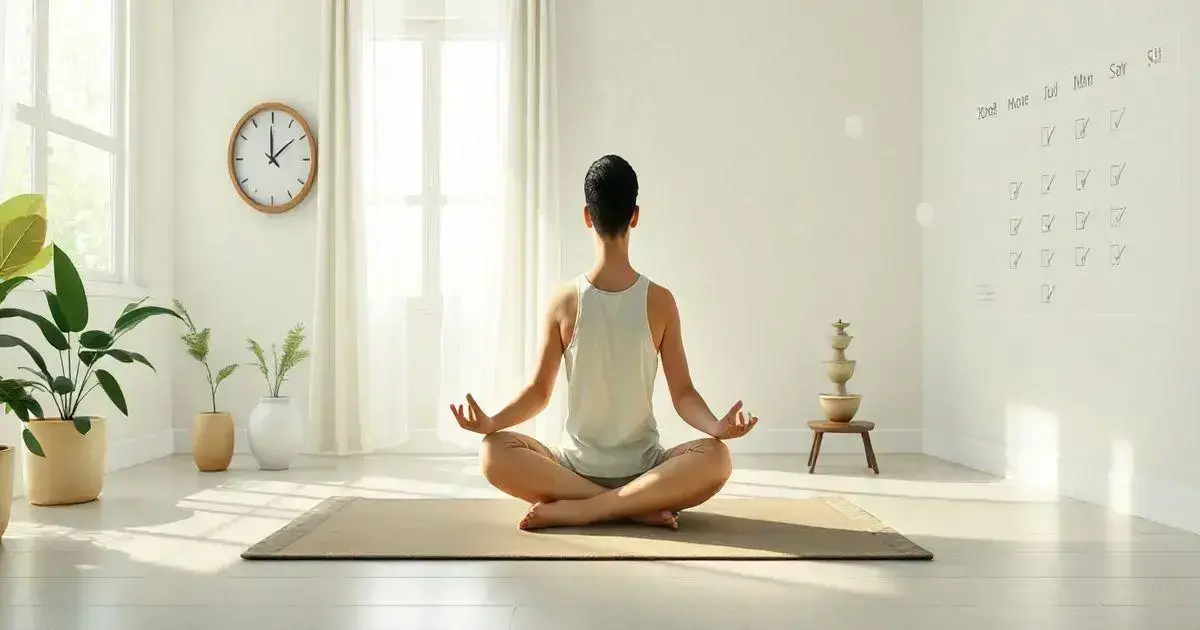
Establishing a 10-minute meditation routine is a manageable and effective way to incorporate mindfulness into your daily life. Here’s how you can create one that works for you.
1. Set a Regular Time: Choose a time that naturally fits into your day, such as after waking up or before bed. Consistency helps form a lasting habit.
2. Decide on a Technique: Whether it’s focusing on your breath, a mantra, or a guided meditation, select a method that resonates with you and stick with it for a while to gauge its effectiveness.
3. Limit Distractions: Silence your phone, turn off notifications, and let others know you need some uninterrupted time. Creating a peaceful environment enhances your meditation experience.
4. Warm Up Your Body: Doing some light stretching before you start can help relax your body, making it easier to sit still and focus during meditation.
5. Journal Your Experience: After meditating, take a few moments to write down your thoughts or feelings. This can help you process your experience and notice subtle shifts over time.
By dedicating just 10 minutes a day, you create a sustainable meditation routine that can significantly enhance your mental clarity and emotional resilience, setting a positive tone for the rest of your day.
Overcoming Common Meditation Challenges

Many beginners face challenges when starting their meditation journey. Recognizing these common obstacles and learning how to overcome them can help you maintain a consistent practice.
1. Wandering Mind: It’s natural for your mind to drift during meditation. When this happens, gently bring your focus back to your breath or chosen point of focus. Over time, you’ll find it easier to maintain concentration.
2. Impatience: In our fast-paced world, waiting for meditation to ‘work’ can be frustrating. Remember, the benefits of meditation build gradually. Be patient with yourself and recognize even small improvements.
3. Physical Discomfort: Sitting still can lead to muscle discomfort. Adjust your position or add cushions for support to make your practice more comfortable. Consistent practice will naturally improve your comfort over time.
4. Doubts and Expectations: It’s easy to doubt whether you’re ‘doing it right.’ Let go of expectations and embrace the uniqueness of each session. Meditation is a personal journey without a single right way.
5. Making Time: Modern life is busy, but remember that meditation is an investment in your well-being. Prioritize it like any other important activity and you’ll find it easier to set aside time.
By addressing these challenges head-on, you empower yourself to develop a more rewarding and sustainable meditation practice, allowing you to fully enjoy its benefits.
Integrating Meditation into Daily Life

Integrating meditation into daily life can profoundly shift your overall well-being, making mindfulness a natural part of your routine. Here’s how you can seamlessly incorporate meditation into your everyday activities.
1. Start Small and Build: Begin with brief moments of mindfulness throughout the day. Try a few deep breaths before important meetings or practice gratitude in the morning.
2. Use Reminders: Set reminders on your phone or use sticky notes in visible places to prompt you to take a mindful moment, whether it’s for meditation or simply pausing throughout the day.
3. Connect with Daily Activities: Turn routine tasks like brushing your teeth, eating, or walking into opportunities for meditation by focusing intently on each action and sensation.
4. Leverage Technology: Utilize meditation and mindfulness apps that offer guided sessions to help you meditate on the go, fit for even the busiest schedules.
5. Share with Others: Include family and friends in your meditation practice. Sharing this time can enhance relationships and provide support as everyone benefits from a shared sense of calm and focus.
By incorporating meditation into your daily schedule, you cultivate a habit of mindfulness that can improve your mental clarity, emotional resilience, and overall happiness, creating a more balanced life.
Conclusion
Incorporating meditation into your daily routine, even for just 10 minutes, can lead to profound improvements in your mental and emotional well-being.
By understanding meditation, recognizing its diverse benefits, and learning to overcome common challenges, you set the stage for a transformative practice that can be maintained over the long term.
Remember, the key to successful meditation is consistency and patience. Start small, and as this habit becomes a natural part of your day, you’ll find mindfulness seeping into other areas of your life.
Whether you’re looking to reduce stress, enhance focus, or simply add a moment of calm to your hectic schedule, meditation offers a simple yet powerful solution.
By making meditation a priority and integrating it seamlessly into your daily activities, you open yourself up to a path of self-discovery and tranquility, ultimately transforming your life one mindful breath at a time.
FAQ – Meditation and Your Daily Life
What is the best way to start a meditation practice?
Begin with a comfortable space, a short time frame like 5 to 10 minutes, and focus on your breath to ease into meditation.
How can meditation improve my life?
Meditation can reduce stress, enhance focus, improve emotional health, promote better sleep, and increase self-awareness.
How do I maintain focus during meditation?
When your mind wanders, gently redirect your focus back to your breath or meditation object, and be patient with your progress.
What if I experience discomfort during meditation?
Adjust your sitting position or use cushions for added support. Consistent practice will lead to increased comfort over time.
How can I fit meditation into my busy schedule?
Prioritize meditation like any important activity, use reminders, and explore short guided sessions on apps to meditate on the go.
How does meditation become a part of daily life?
Integrate mindfulness into routine tasks, use reminders, practice with family and friends, and connect meditation with daily activities.