
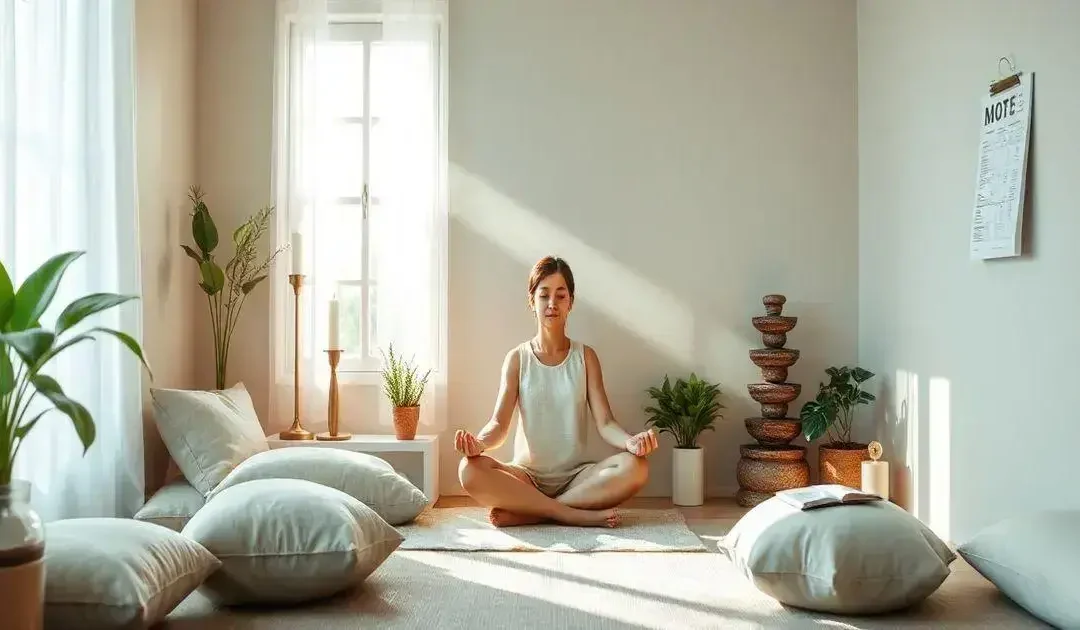
Contents
Starting meditation requires understanding its fundamentals, choosing a style that suits you, and creating a peaceful environment. Beginners should aim for short, achievable sessions to foster consistency, and tracking progress can enhance motivation. Each meditation contributes to improved mindfulness, reduced stress, and better focus, making the practice both accessible and beneficial for overall well-being.
Are you curious about how to start meditating but unsure where to begin? You’re not alone. Many newcomers find meditation intimidating, but with the right guidance, it doesn’t have to be.
In this article, we’ll walk you through a step-by-step guide designed especially for beginners, ensuring you kick-start your meditation journey smoothly and effectively.
Understanding Meditation Basics
Meditation might seem mysterious at first, but it’s all about finding a moment of peace in our hectic lives.
At its core, meditation is a practice where an individual uses a technique—such as mindfulness, or focusing the mind on a particular object, thought, or activity—to train attention and awareness, achieving a mentally clear and emotionally calm state.
There are numerous benefits to meditation, including reduced stress, improved concentration, and increased self-awareness. It’s about decluttering the mind, inviting tranquility, and gaining a new perspective on stressful situations. Meditation doesn’t require a complete lifestyle change but rather a willingness to set aside a little time each day for personal reflection.
Before diving in, it’s helpful to understand what meditation isn’t. It’s not about ‘turning off’ your thoughts or emotions—more so, it’s about observing them without judgment. Think of it as training your mind to stay focused while becoming more aware of the present moment. Simple, right? With dedication and patience, anyone can start reaping the rewards of meditation.
Choosing the Right Meditation Style
Choosing the right meditation style is like picking the perfect pair of shoes. It’s gotta fit just right for you. Meditation isn’t one-size-fits-all, and that’s the beauty of it—there are styles that suit different needs and personalities.
Some people find comfort in the structure of guided meditation, where a facilitator leads you through the process with verbal cues. This can be great for beginners needing a little direction.
Then there’s mindfulness meditation, which involves paying attention to your thoughts as they pass through your mind—kind of like watching clouds drift by. You learn to stay present, letting go of distractions with gentle redirection. This style tends to resonate with those seeking greater focus and awareness in their daily lives.
Exploring Different Styles
For those interested in the spiritual side, there’s transcendental meditation. It’s a bit more structured and involves silently repeating a mantra. Or perhaps body scan meditation, which is all about tuning into physical sensations throughout the body, appeals to you. There’s also loving-kindness meditation, which focuses on developing an attitude of love and compassion towards oneself and others.
The key is experimentation. Try several styles, see what feels natural, and pay attention to which techniques leave you feeling most refreshed and centered. Remember, the best meditation style is the one that enhances your well-being and becomes a cherished part of your routine.
Preparing Your Meditation Space
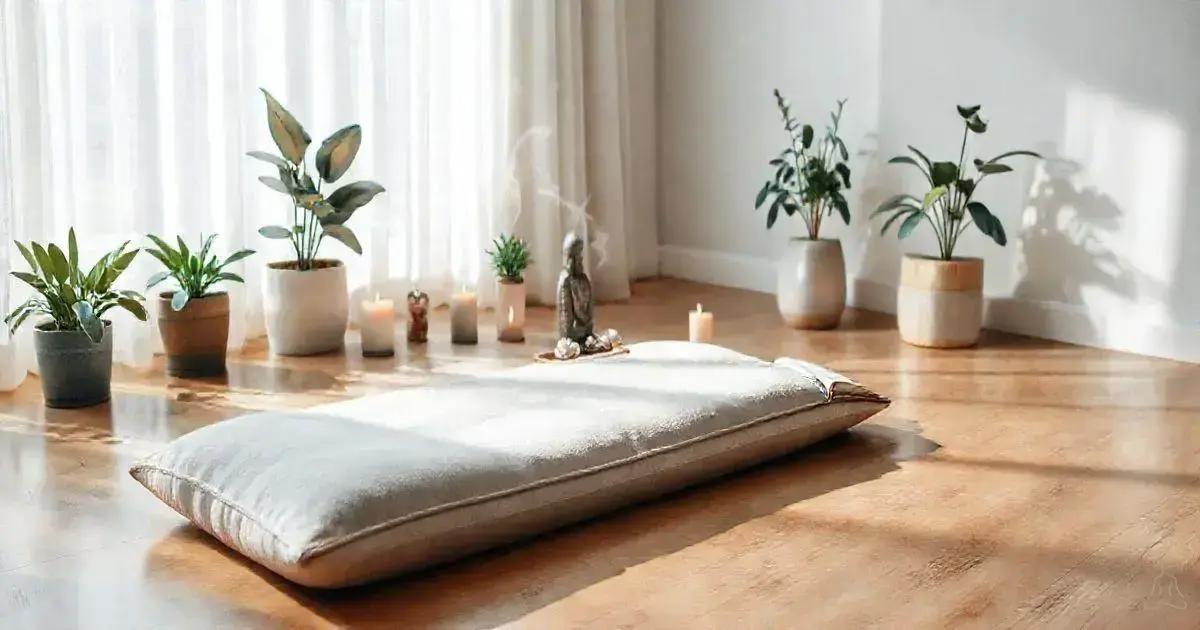
Creating a meditation space is like setting the stage for tranquility. You don’t need a zen garden or a fancy setup—just a small corner that’s comfortable and inviting. Think of it as your personal retreat, free from clutter and distractions. The goal is to feel relaxed and motivated to meditate there daily.
Start by picking a quiet spot. It could be a corner of your bedroom or a dedicated nook in your living room. Wherever it is, make sure it’s somewhere you won’t be interrupted. Consider lighting. Soft, natural light is calming, but a dim lamp or candles can add to the ambiance as well. Remember, it’s all about creating a peaceful atmosphere.
Next, consider your seating. Whether it’s a cushion, a yoga mat, or a chair, make sure you’re comfortable. You might add a blanket or pillow for support. Some folks like incorporating items that inspire calm, like plants, stones, or artwork. Essential oils or incense can engage your sense of smell, enhancing the meditative experience.
Your meditation space should reflect what relaxes and centers you. Maybe play gentle music or nature sounds in the background if it helps you focus. The key is personalization—what makes you feel at ease and ready to dive into your meditation practice. Only you know best what resonates, so let your space evolve with your practice.
Setting Realistic Meditation Goals
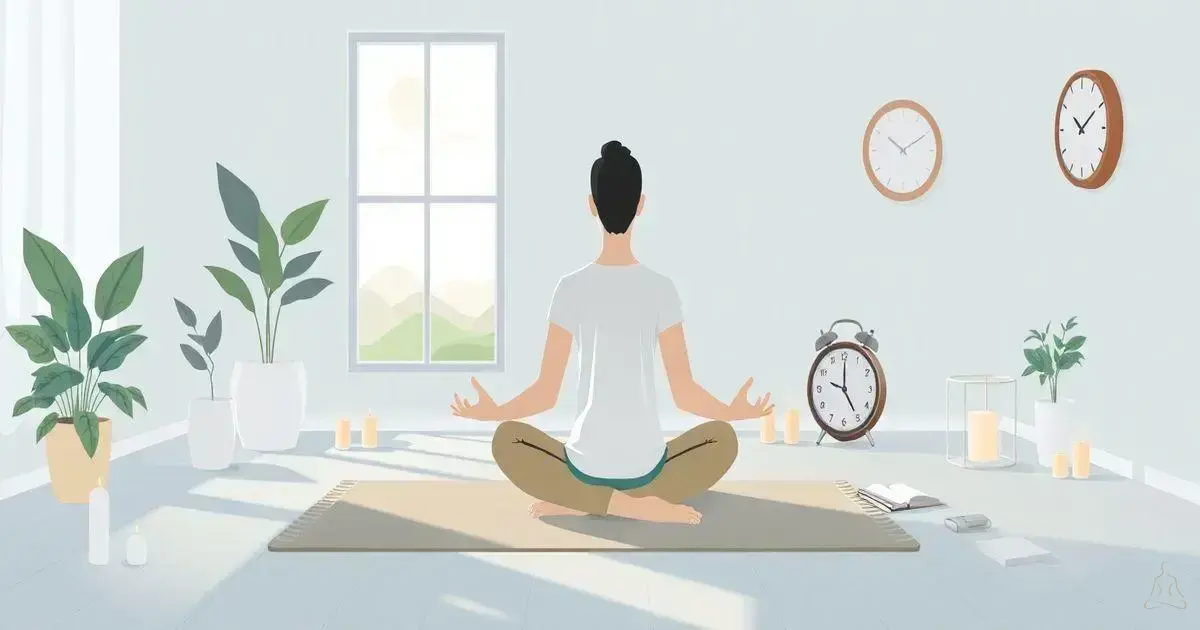
Setting realistic meditation goals is like crafting a map for your journey—it’s about finding balance between motivation and patience. As a beginner, it’s tempting to set ambitious targets, but starting small ensures that meditation becomes a sustainable part of your routine. You wouldn’t run a marathon without training, right? The same principle applies here.
Begin with just a few minutes a day. Aiming for five minutes daily is a great starting point. It’s manageable and lays the groundwork for consistency. Gradually, you can extend your sessions as you become more comfortable with the practice. Some days, finding just a moment of peace amid chaos is an accomplishment in itself.
Think about your intentions—what do you hope to achieve? Is it reducing stress, improving focus, or perhaps finding more inner peace? Defining a purpose helps keep you motivated and directed. It’s not about measuring success in minutes meditated but rather in how you feel over time.
Flexibility is key. Life happens, and missing a day or two isn’t the end of the world. Be kind to yourself and adjust your goals as needed. Remember, the ultimate aim is to enrich your life, not add pressure. Celebrate small achievements and keep your practice adaptable to nurture long-term growth and fulfillment.
Developing Consistency in Practice
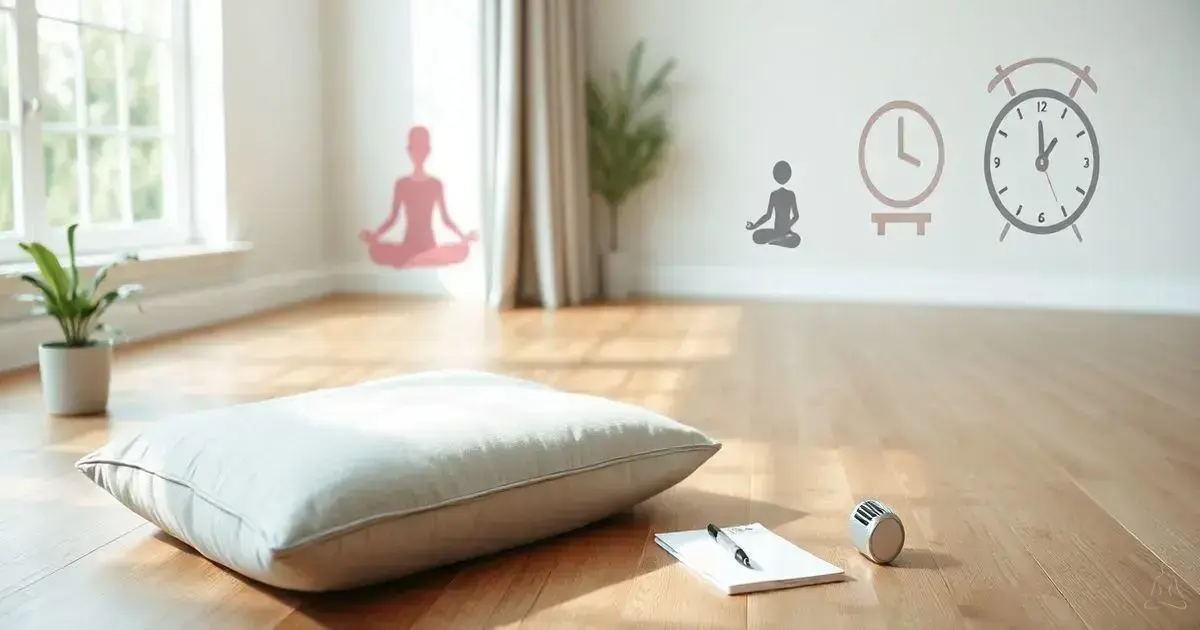
Building consistency in your meditation practice is akin to cultivating a garden—it requires regular care and attention. To stay on track, establish a regular meditation schedule that works for you. Whether it’s morning, noon, or night, the key is to commit to a specific time that fits naturally into your day.
Try setting a reminder on your phone or making meditation a part of an existing routine, like after brushing your teeth or finishing your morning coffee. Associating meditation with a regular habit makes it easier to follow through.
It’s important to remember that consistency doesn’t mean rigidity. Life can be unpredictable, and missing a session here or there is okay. What’s crucial is the commitment to return to the practice without self-judgment.
Additionally, being mindful of why you’re practicing can help maintain motivation. Reflect on your intentions and the benefits you’ve experienced so far. This sense of progress and purpose can fortify your resolve to meditate regularly.
Consistency might start slow, but like any worthwhile pursuit, it builds over time. With patience and persistence, meditation can become a gratifying daily ritual, seamlessly enhancing your well-being.
Tracking Your Meditation Progress
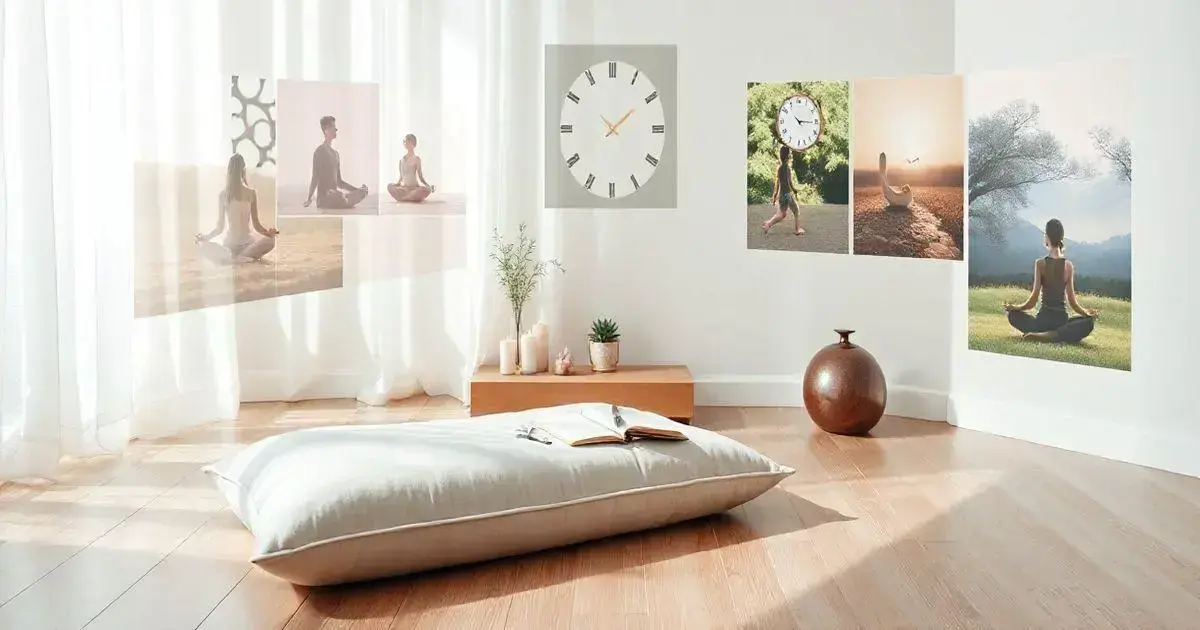
Tracking your meditation progress is like marking trails on a journey—you see where you’ve been and how far you’ve come. Regular tracking helps you stay motivated and shows visible signs of your commitment. It’s not about being competitive but more about recognizing your personal growth and the milestones you’ve reached.
Consider starting a meditation journal. Jot down how many minutes you meditated, how you felt before and after, and any significant thoughts or emotions that surfaced. Over time, you’ll notice patterns and changes in your mental state and mood, offering valuable insights.
Many apps are available today that can help with tracking, offering guided sessions, reminders, and progress reports. They can be a great tool for providing structure and keeping you on course.
Be gentle with yourself and patient. Progress in meditation is not always linear or immediately visible. Some sessions might feel profound while others are more challenging—that’s perfectly normal. Reflect on these experiences and use them to refine your practice.
By consistently tracking your progress, you’ll begin to see the beneficial impact of meditation over time, reinforcing your resolve to continue the practice. Celebrate the small victories and recognize that every moment spent in meditation is a step forward on your path.
Conclusion
Meditation can feel like an intimidating venture at first, but breaking it down into manageable steps makes the journey both approachable and rewarding.
By understanding the basics and exploring different styles, you begin to discover what aligns with your mind and spirit.
Creating a dedicated space and setting realistic goals ease your path as you cultivate consistency in your practice.
Measurement through progress tracking offers a glimpse into your evolution, reinforcing the positive changes that meditation brings into daily life.
Remember, starting is the most important part of this journey. Each step, no matter how small, is a move towards greater mindfulness and well-being.
As you explore meditation, let curiosity guide you, be gentle with yourself, and enjoy the peace that comes from within.
The journey is yours to navigate—one breath, one session at a time.
FAQ – Common Questions About Starting Meditation
What is the best time to meditate?
The best time to meditate is when it suits your schedule and allows you to be consistent, whether it’s morning, noon, or night.
How long should I meditate as a beginner?
Beginners can start with just 5 minutes a day and gradually increase the duration as they become more comfortable with the practice.
How do I choose the right meditation style for me?
Experiment with different styles such as guided, mindfulness, or mantra meditation to see which resonates best with you.
Why is having a dedicated meditation space important?
A dedicated space creates an inviting and distraction-free environment, promoting relaxation and focus during meditation.
How can I stay consistent with meditation practice?
Schedule regular sessions, use reminders, and establish rituals to integrate meditation naturally into your daily routine.
How can I track my progress in meditation?
Keep a journal detailing your sessions, feelings, and insights, or use meditation apps for structured tracking and reflection.