
Contents
Feeling overwhelmed by the daily stress and tension? You’re not alone.
In today’s fast-paced world, finding moments of calm and relaxation is crucial for maintaining overall well-being. This is where meditation comes into play. Discover how incorporating meditation for relaxation can help reduce daily tension and bring about a sense of peace and tranquility in your life.
Understanding the Benefits of Meditation for Stress Relief
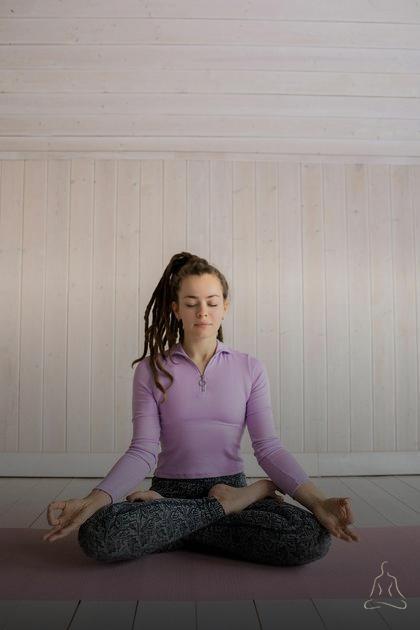
Meditation is a powerful tool that can help alleviate stress and promote overall well-being. By incorporating meditation into your daily routine, you can experience a wide range of benefits that contribute to a healthier mind and body.
Stress Reduction: One of the primary benefits of meditation is its ability to reduce stress. Through mindfulness and focused breathing, meditation helps calm the mind and relax the body, leading to a reduction in stress levels.
Emotional Well-being: Regular meditation practice can enhance emotional well-being by promoting a positive outlook, reducing anxiety, and fostering a sense of inner peace.
Improved Concentration: Meditation can enhance concentration and mental clarity, allowing individuals to better focus on tasks and activities without feeling overwhelmed by stress.
Enhanced Self-Awareness: Through meditation, individuals can develop a deeper understanding of themselves, their thoughts, and their emotions, leading to greater self-awareness and self-acceptance.
Physical Benefits: In addition to its mental and emotional benefits, meditation can also have positive effects on physical health, such as lowering blood pressure, improving sleep, and boosting the immune system.
By understanding and embracing the benefits of meditation, individuals can effectively manage stress and cultivate a greater sense of well-being in their lives.
Creating Your Perfect Meditation Space
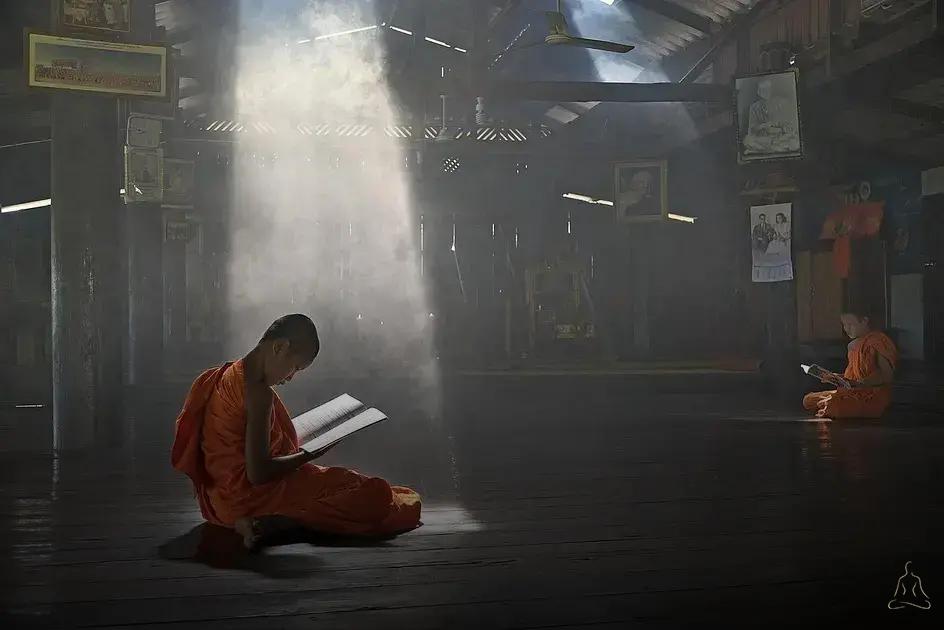
When it comes to creating your perfect meditation space, it’s essential to consider a few key elements that will help you achieve a peaceful and tranquil environment.
First and foremost, find a quiet and comfortable area in your home where you can relax without distractions. This could be a spare room, a cozy corner, or even a spot in your garden.
Once you’ve chosen the location, consider the lighting. Natural light is ideal, but if that’s not possible, opt for soft, warm lighting that promotes a sense of calmness.
Next, think about the decor. Keep the space clutter-free and add elements that resonate with you, such as plants, crystals, or meaningful artwork.
Creating a comfortable seating arrangement is also crucial. Whether it’s a cushion, a chair, or a meditation bench, choose something that supports good posture and allows you to relax fully.
Lastly, consider adding items that can enhance your meditation experience, such as essential oils, incense, or soothing music.
By paying attention to these details, you can design a meditation space that fosters a sense of serenity and helps you achieve a deeper state of relaxation during your practice.
Simple Meditation Techniques to Alleviate Tension
When it comes to alleviating tension and finding inner peace, simple meditation techniques can be incredibly effective. By incorporating these techniques into your daily routine, you can experience a greater sense of calm and relaxation.
1. Mindful Breathing
One of the simplest yet most powerful meditation techniques is mindful breathing. Find a quiet and comfortable place to sit or lie down. Close your eyes and focus on your breath. Inhale deeply through your nose, feeling your lungs fill with air, then exhale slowly through your mouth. Pay attention to the sensation of breathing and let go of any distracting thoughts.
2. Body Scan Meditation
Body scan meditation involves focusing your attention on different parts of your body, starting from your toes and gradually moving up to your head. As you focus on each body part, release any tension or discomfort you may be holding. This technique can help you become more aware of physical sensations and promote relaxation.
3. Loving-Kindness Meditation
Loving-kindness meditation, also known as Metta meditation, involves directing feelings of love and compassion towards yourself and others. Find a comfortable position and repeat phrases such as “May I be happy, may I be healthy, may I be at peace” while visualizing yourself and others. This practice can cultivate feelings of empathy and reduce stress.
By incorporating these simple meditation techniques into your daily life, you can effectively alleviate tension and promote a sense of overall well-being.

Integrating Meditation into Your Daily Routine for Ongoing Relaxation
Integrating meditation into your daily routine is an excellent way to cultivate ongoing relaxation and improve your overall well-being. By incorporating meditation into your daily schedule, you can experience lasting benefits that contribute to a more balanced and peaceful lifestyle.
Consistency is Key
Consistency is crucial when integrating meditation into your daily routine. Find a time that works best for you, whether it’s in the morning before starting your day or in the evening before winding down. Choose a quiet and comfortable space where you can practice meditation without interruptions.
Start with Short Sessions
Begin with shorter meditation sessions, gradually increasing the duration as you become more comfortable with the practice. Starting with just a few minutes each day can help you establish a routine without feeling overwhelmed.
Set Reminders
Set reminders or alarms to prompt your daily meditation practice. This can help reinforce the habit and ensure that you don’t forget to take time for yourself amidst the demands of daily life.
Incorporate Meditation into Daily Activities
Integrate meditation into your daily activities, such as mindful breathing while commuting, taking a short meditation break during work, or incorporating meditation into your exercise routine. This allows you to experience the benefits of meditation throughout the day.
Be Gentle with Yourself
Be patient and gentle with yourself as you integrate meditation into your daily routine. It’s okay if some days are more challenging than others. The key is to approach your practice with compassion and a willingness to continue nurturing your meditation habit.
By integrating meditation into your daily routine, you can create a sustainable path to ongoing relaxation and inner peace.