

Contents
- 0.1 Meditation is a practice that enhances mental clarity and well-being, offering various types such as Mindfulness, Transcendental, and Guided Meditation. It provides benefits like stress reduction, improved concentration, and increased self-awareness.
- 0.2 Beginners should start with short sessions in a conducive environment, overcoming challenges like distractions with guided sessions. Consistency is crucial for establishing a lasting practice that fosters personal growth and inner peace.
- 1 Introduction to Meditation: Explore the origins and fundamental principles of meditation. Learn how this ancient practice has evolved over centuries to become a widely accepted method for enhancing mental health and well-being.
- 2 Understanding the Different Types of Meditation: Delve into various forms of meditation such as mindfulness, transcendental, and guided meditation. Understand the unique aspects and goals of each type to find the one that resonates with your needs.
- 3 Benefits of Meditation for Beginners: Learn about the numerous physical and mental health benefits of meditation, including stress reduction, improved concentration, and emotional stability. Discover why meditation is often recommended as part of a healthy lifestyle.
- 4 How to Start Meditating: A Step-by-Step Guide: Follow a practical guide on how to begin your meditation practice. This includes tips on setting up your environment, choosing the right time, and selecting techniques that suit beginners.
- 5 Common Challenges and How to Overcome Them: Identify typical obstacles beginners may face when starting meditation, and find effective strategies to overcome distractions, restlessness, and doubts.
- 6 Creating a Consistent Meditation Practice: Develop strategies for maintaining a regular meditation routine. Discover how to integrate meditation into your daily life for long-term benefits and personal growth.
- 7 Frequently Asked Questions about Meditation
Meditation is a practice that enhances mental clarity and well-being, offering various types such as Mindfulness, Transcendental, and Guided Meditation. It provides benefits like stress reduction, improved concentration, and increased self-awareness.
Beginners should start with short sessions in a conducive environment, overcoming challenges like distractions with guided sessions. Consistency is crucial for establishing a lasting practice that fosters personal growth and inner peace.
Meditation has surged in popularity as a transformative practice for enhancing mental clarity, reducing stress, and promoting overall well-being. For beginners, understanding the fundamentals of meditation can lay the groundwork for a fulfilling and sustainable practice. This guide aims to demystify meditation, offering insights into what it truly is, the benefits it can bring to daily life, and practical steps to embark on your meditation journey.
Introduction to Meditation: Explore the origins and fundamental principles of meditation. Learn how this ancient practice has evolved over centuries to become a widely accepted method for enhancing mental health and well-being.

Meditation is an ancient practice that has been a part of human tradition for thousands of years. Originating in the spiritual practices of Eastern cultures, it has since evolved and adapted to fit modern society’s quest for peace and mental clarity.
Historically, meditation has its roots in Hinduism where it was used as a spiritual practice to connect the practitioner with deeper wisdom and enlightenment. It then expanded to other religious practices, including Buddhism, where it became integral to the spiritual journey towards Nirvana. Over time, different cultures adopted and modified these practices, each adding their unique perspectives and techniques.
Fundamental Principles
The fundamental principles of meditation involve focusing the mind and eliminating distractions to achieve a state of tranquility and concentration. Key elements include mindfulness, which emphasizes present-moment awareness, and breath control, which aids in calming the mind and body. The practice often involves sitting in silence and may incorporate mantras or guided visualizations to deepen the experience.
In recent centuries, meditation has transcended its religious origins and has become a mainstream practice associated with mental health and wellness. Scientific research has shed light on its benefits, leading to its adoption in clinical settings, schools, and workplaces as a tool for improving emotional and physical health.
Today, meditation is widely recognized across the globe for its benefits, from reducing stress and anxiety to enhancing emotional health and boosting overall well-being. Its adaptability and profound impact have solidified its place as a valuable practice for individuals seeking balance and inner peace amidst the demands of the modern world.
Understanding the Different Types of Meditation: Delve into various forms of meditation such as mindfulness, transcendental, and guided meditation. Understand the unique aspects and goals of each type to find the one that resonates with your needs.

Meditation has evolved into various forms, each offering unique techniques and benefits. Understanding these different types can help you identify the one that best fits your personal goals and lifestyle.
Mindfulness Meditation is rooted in Buddhist teachings and focuses on being present in the moment. Practitioners pay attention to their thoughts and feelings without judgment, fostering self-awareness and emotional regulation.
The goals of mindfulness meditation are to enhance consciousness, reduce stress, and improve overall emotional well-being by fostering a deeper understanding of one’s thoughts and feelings.
Transcendental Meditation entails the use of a specific mantra and is taught through a certified instructor. This form emphasizes a deep state of relaxation and restfulness beyond ordinary thought processes.
The goals of Transcendental Meditation are to achieve profound relaxation, inner peace, and personal transformation through regular use of personalized mantras.
Guided Meditation involves listening to a narrator or instructor who leads you through a session, often incorporating visualization or specific themes such as healing or gratitude.
The goals of guided meditation are to provide structure for novices and focus on particular outcomes, whether that’s stress relief, overcoming challenges, or promoting positive thinking patterns.
Loving-Kindness Meditation (Metta)
In this practice, individuals focus on developing an attitude of love and kindness towards oneself and others, often involving the repetition of phrases wishing oneself and others well.
The goals of Loving-Kindness Meditation are to cultivate a sense of compassion and unconditional love, decrease negative emotions, and improve interpersonal relationships.
Body Scan or Progressive Relaxation involves paying attention to different parts of the body, either to notice tension or to progressively relax those areas.
The goals of this type of meditation are to reduce physical tension and stress, increase bodily awareness, and promote a profound sense of relaxation.
Each form of meditation offers distinct advantages and varies in approach, allowing individuals to choose the one that aligns with their personal objectives and preferences. Exploring these different methods can open doors to enhanced mindfulness and inner peace.
Benefits of Meditation for Beginners: Learn about the numerous physical and mental health benefits of meditation, including stress reduction, improved concentration, and emotional stability. Discover why meditation is often recommended as part of a healthy lifestyle.
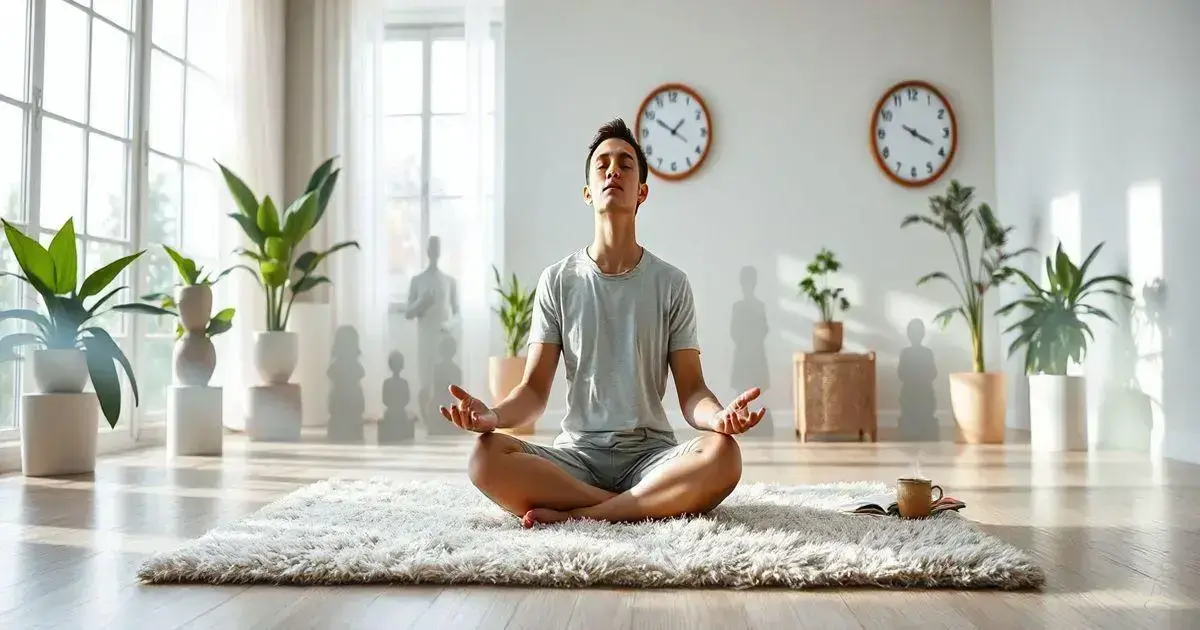
Meditation is increasingly recommended as an integral component of a healthy lifestyle due to its wide range of benefits. For beginners, understanding these advantages can provide motivation and insight into how meditation can positively impact their lives.
Physical Benefits:
Stress Reduction: Meditation is renowned for its ability to lower stress levels. By promoting relaxation, it helps reduce the production of stress hormones like cortisol, leading to a more balanced physical state.
Improved Sleep: Regular meditation practice can significantly enhance sleep quality by calming the mind and relaxing the body, thus reducing insomnia and fostering deeper sleep.
Pain Management: Studies have shown that meditation can alter brain pathways associated with pain, helping individuals manage chronic pain more effectively.
Mental Benefits:
Improved Concentration and Focus: Meditation helps train the mind to concentrate and maintain attention, which can enhance focus and cognitive functions over time.
Enhanced Emotional Health: Engaging in meditation can lead to a reduction in symptoms of anxiety and depression by promoting emotional regulation and self-awareness.
Increased Self-Awareness: Meditation fosters a deeper understanding of oneself, helping individuals become more in tune with their thoughts, emotions, and behaviors.
Long-Term Benefits:
Emotional Stability: Consistent meditation practice can lead to greater emotional stability, allowing individuals to better manage life’s ups and downs with equanimity.
Reduced Age-Related Memory Loss: Studies suggest that meditation can help curb memory loss associated with aging by improving attention and clarity of thinking.
For beginners, discovering the myriad benefits of meditation can be an encouraging step towards incorporating it into daily life. From physical improvements to emotional balance, meditation offers a holistic approach to health and well-being, making it a valuable part of a healthy lifestyle.
How to Start Meditating: A Step-by-Step Guide: Follow a practical guide on how to begin your meditation practice. This includes tips on setting up your environment, choosing the right time, and selecting techniques that suit beginners.
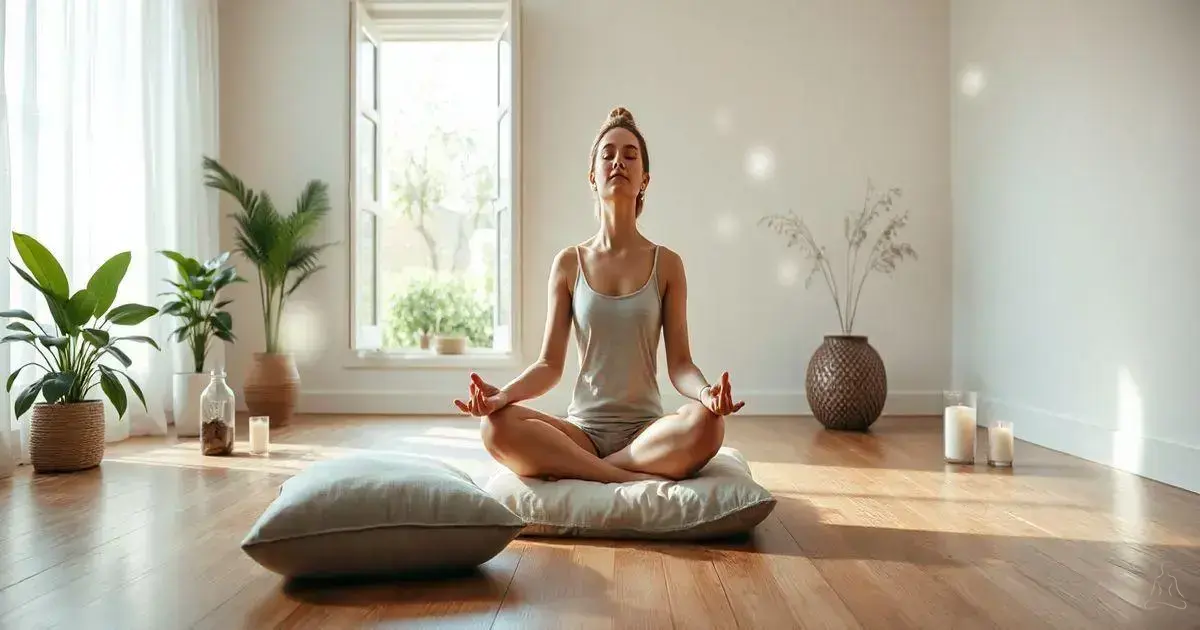
Starting a meditation practice can seem daunting, but with the right approach, it can become a rewarding part of your daily routine. This guide will help you set up the ideal environment, choose suitable times, and select beginner-friendly techniques to ease into meditation.
1. Set Up Your Environment: Choose a quiet, comfortable space where you will not be easily disturbed. It can be a dedicated corner of a room or any spot where you feel at ease. Make sure the lighting is soft, and consider adding calming elements like cushions or aromatic candles.
2. Choose the Right Time: Select a time of day when you can meditate consistently and without rush. Many find it beneficial to meditate in the morning to set a calm tone for the day. However, evening meditation can be equally effective for unwinding and reflection.
3. Decide on a Duration: For beginners, starting with short sessions of 5-10 minutes is ideal. As you become more comfortable, you can gradually increase the duration to 20-30 minutes or more, according to your preference and schedule.
4. Select a Meditation Technique: Begin with simple techniques such as mindfulness or guided meditation. Mindfulness involves focusing on your breath and observing your thoughts without judgment. Guided meditations can provide structure, as a narrator leads you through the session.
5. Focus on Your Breath: Sit in a comfortable position and close your eyes. Bring your attention to your breath, noticing the natural rhythm as you inhale and exhale. If your mind wanders, gently redirect your focus back to your breath.
6. Maintain Consistency: Try to meditate at the same time every day to build a lasting habit. Consistency is key to experiencing the benefits of meditation and integrating it into your lifestyle.
Starting a meditation practice requires patience and commitment. By creating a conducive environment, choosing the right time, and practicing consistently, beginners can gradually build a fulfilling and enriching meditation routine. Remember, there is no ‘right’ way to meditate, so find what works best for you and enjoy the journey.
Common Challenges and How to Overcome Them: Identify typical obstacles beginners may face when starting meditation, and find effective strategies to overcome distractions, restlessness, and doubts.
As with any new practice, beginners may encounter challenges when starting meditation. Understanding these obstacles and having strategies to overcome them can help maintain a consistent and rewarding meditation routine.
Common Challenges:
Distractions: External noises or internal thoughts can easily distract beginners during meditation.
Strategies:
Create a Quiet Space: Minimize potential distractions by choosing a peaceful environment. Use noise-canceling headphones or calming background music if necessary.
Acknowledge and Release Thoughts: When distractions arise, acknowledge them without judgment, and gently return your focus to your breath or meditation mantra.
Restlessness: Sitting still and focusing can lead to feelings of restlessness, especially for beginners.
Strategies:
Start with Short Sessions: Begin with brief meditation sessions of 5-10 minutes, gradually extending the duration as you become more accustomed to sitting still.
Incorporate Movement: Try incorporating gentle movement techniques like walking meditation or yoga to ease restlessness and transition into a more static practice.
Doubts About Effectiveness: Beginners might question their meditation practice’s effectiveness or worry about their progress.
Strategies:
Set Realistic Expectations: Understand that meditation is a skill that takes time to develop. Focus on the process rather than immediate results.
Track Progress: Keep a journal to note changes in mood or stress levels over time, reinforcing the benefits of consistency.
Difficulty Concentrating: Maintaining concentration can be challenging due to a racing mind or external interruptions.
Strategies:
Use Guided Meditations: Opt for guided sessions to provide structure and keep you focused throughout the meditation.
Focus on the Breath: Anchor your attention to your breath, actively noticing the inhale and exhale, to cultivate concentration.
Facing challenges is a natural part of beginning a meditation practice. By employing these strategies, you can effectively overcome distractions, restlessness, doubts, and concentration difficulties, paving the way for a more fulfilling meditation experience.
Creating a Consistent Meditation Practice: Develop strategies for maintaining a regular meditation routine. Discover how to integrate meditation into your daily life for long-term benefits and personal growth.
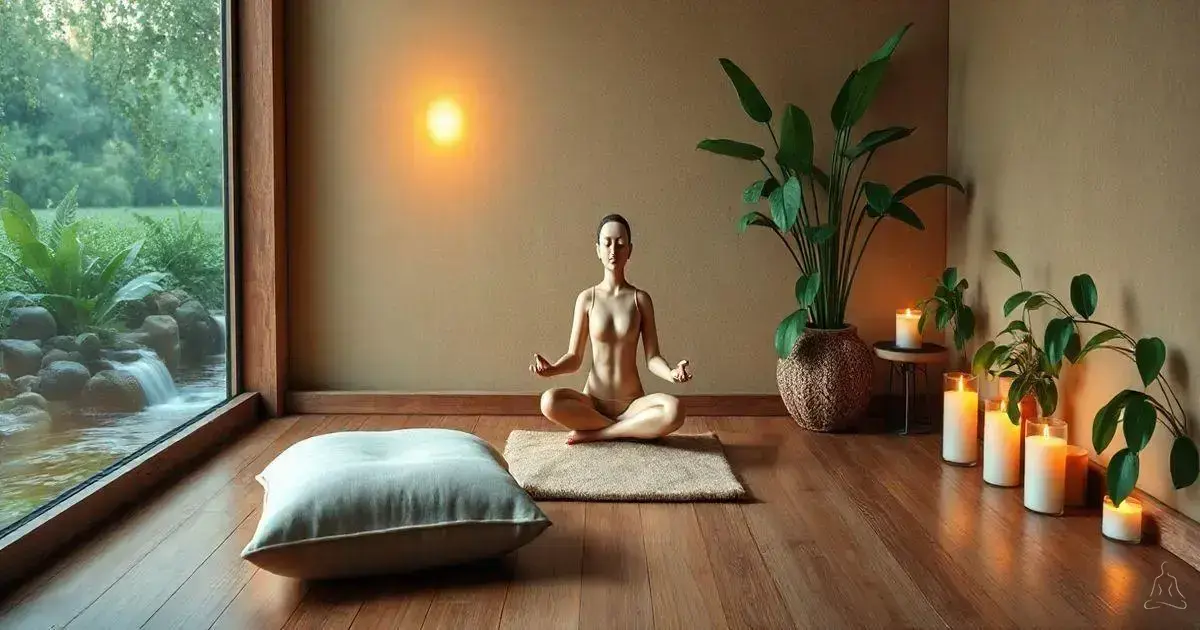
Establishing a consistent meditation practice is key to reaping its full range of benefits. By incorporating practical strategies, you can seamlessly integrate meditation into your daily routine and experience long-term personal growth.
Strategies to Create a Consistent Meditation Practice:
Set Clear Intentions: Begin by understanding why you want to meditate. Clarifying your intentions can help keep you motivated and focused on the personal benefits you seek, such as stress reduction or increased mindfulness.
Schedule Meditation Sessions: Treat meditation like an important appointment by scheduling it into your daily routine. Choose a consistent time each day, whether it’s in the morning to start your day calmly or at night to wind down.
Start Small: For beginners, it’s best to start with short, manageable sessions of 5-10 minutes. Gradually increase the duration as you become more comfortable and confident in your practice.
Use Reminders: Set reminders on your phone or leave notes in visible places to prompt you to meditate. This can help build the habit and reduce the chances of skipping sessions.
Find a Meditation Buddy: Consider meditating with a friend or joining a meditation group. Having a meditation buddy can offer encouragement, accountability, and shared experiences that enhance your commitment.
Be Patient with Yourself: Understand that consistency takes time and occasional lapses are normal. Be patient and kind to yourself, acknowledging your efforts and progress rather than focusing on setbacks.
Integration Tips:
Incorporate Mindfulness into Daily Activities: Practice mindfulness throughout the day, such as during meals or while walking, to enhance your awareness and complement your meditation practice.
Use Technology to Your Advantage: Explore meditation apps and online resources that offer guided sessions, meditation timers, and tracking tools to support your practice.
By implementing these strategies, you can develop and maintain a consistent meditation practice that fits seamlessly into your daily life. Regular meditation fosters personal growth, enhances well-being, and contributes to a more mindful and balanced lifestyle.
Meditation is a transformative practice that holds the potential to significantly enhance one’s mental and physical well-being. Starting with the fundamental understanding of what meditation is, beginners can appreciate its rich history and various forms.
By embracing the numerous benefits of meditation—such as stress reduction, improved emotional health, and increased self-awareness—individuals can see why it is often recommended as an essential part of a healthy lifestyle.
Guidance for Beginners
Navigating the challenges that come with beginning meditation can be daunting, but with practical strategies and a commitment to consistency, anyone can integrate this practice into their daily lives. From setting the right environment and time to choosing suitable techniques, each step furthers the journey toward achieving inner peace.
Establishing a regular meditation routine opens doors to long-term personal growth and self-discovery. By maintaining consistency and patience, individuals can transform their practice into a powerful tool for living a balanced and mindful life.
We encourage you to explore meditation with an open heart and mind. As you embark on this journey, remember that it’s not about perfecting the practice, but about appreciating each moment spent in meditation and the progress it fosters in your overall well-being.
Frequently Asked Questions about Meditation
What is meditation?
Meditation is an ancient practice aimed at focusing the mind and achieving a state of relaxation and mindfulness. It promotes mental clarity and overall well-being.
What are some common types of meditation?
Some common types of meditation include Mindfulness Meditation, Transcendental Meditation, Guided Meditation, Loving-Kindness Meditation, and Body Scan Meditation. Each type has unique techniques and goals.
What benefits can beginners expect from meditation?
Beginners can experience numerous benefits, such as stress reduction, improved concentration, enhanced emotional health, increased self-awareness, and better sleep quality.
How can I start meditating?
Start by setting up a quiet and comfortable space, choosing a consistent time, and beginning with short sessions. Select simple techniques like mindfulness or guided meditation.
What challenges might I face when starting meditation?
Common challenges include distractions, restlessness, doubts about effectiveness, and difficulty concentrating. Strategies like creating a quiet environment, starting small, and using guided meditations can help.
How can I maintain a consistent meditation practice?
Set clear intentions, schedule sessions, start small, use reminders, find a meditation buddy, and be patient with yourself. Incorporate mindfulness into daily activities and use technology to support your practice.