

Utilizing visualization techniques in guided meditation can significantly enhance your practice by improving focus, alleviating stress, and fostering emotional resilience. Start with basic imagery exercises and gradually add sensory details for a richer experience. Establish a calming meditation environment and incorporate breathing techniques, such as diaphragmatic breathing, to deepen your practice. These strategies can transform meditation into a powerful tool for personal development, providing clarity and peace in a hectic world.
In today’s fast-paced world, the power of visualization in guided meditation is a game changer for those seeking peace and self-discovery. Visualization acts as a bridge, connecting our conscious mind with our deepest desires, ultimately enhancing the meditation experience. Whether you’re looking to reduce stress or achieve personal goals, incorporating visualization techniques can profoundly transform your meditation practice.
Understanding Visualization Techniques
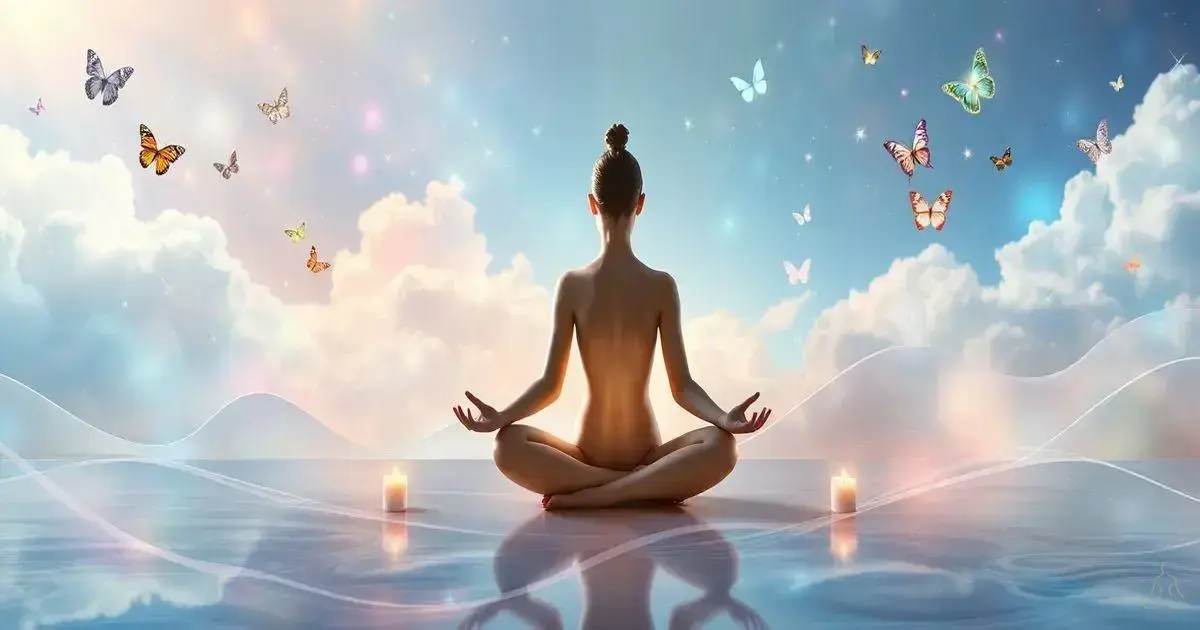
Before diving into guided meditation, it’s essential to grasp what visualization techniques entail. At its core, visualization involves creating mental images or scenarios, and it’s a tool used to focus the mind and enhance meditation. Think of it as daydreaming with a purpose—you’re not just imagining random thoughts but crafting images that align with your intentions and goals.
Visualization techniques often begin by selecting a calming scene or a meaningful image that resonates personally with you. It might be a serene beach, a peaceful forest, or even an abstract concept like resilience or strength. By vividly imagining this scene, you engage multiple senses—sight, sound, touch, and sometimes even taste and smell—which helps to ground your focus and deepen the meditation experience.
One fundamental technique is guided imagery, where an instructor leads participants through a scripted visualization, often focusing on specific outcomes like relaxation or clarity. Others might prefer creative visualization, which involves freely crafting their mental landscapes without external guidance, allowing creativity to flow without constraints.
Ultimately, the goal of these techniques is to train your mind to concentrate on positive imagery, breaking away from the chaos and stress that often occupy our thoughts. As you become more proficient in visualization, you’ll find it easier to manifest desired states of being, providing a sense of empowerment and tranquility in the meditation practice.
Benefits of Visualization in Meditation
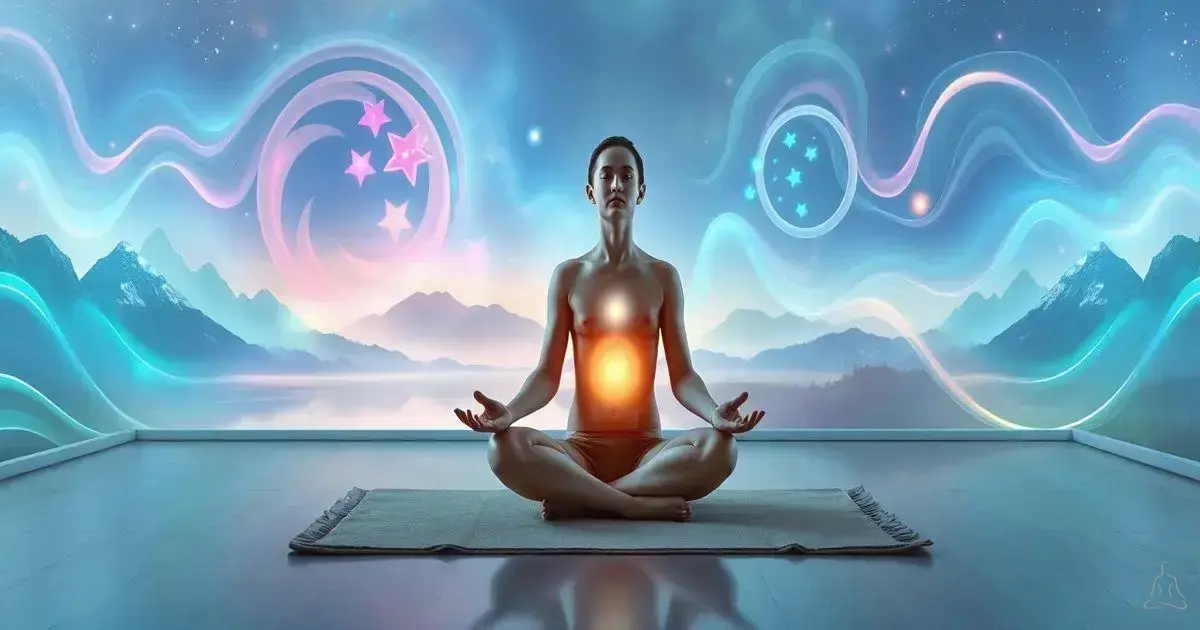
Embracing the benefits of visualization in meditation can significantly enhance your practice, infusing it with profound personal transformation.
At its heart, visualization serves as a powerful tool to amplify the effects of meditation, offering numerous advantages for those who employ it regularly.
Firstly, visualization aids in focusing the mind. By vividly picturing relaxing scenes or desired goals, you train your mind to eliminate distractions, leading to enhanced concentration and mindfulness. This heightened focus can carry over into daily activities, improving productivity and emotional stability.
Secondly, visualization is renowned for its ability to reduce stress and anxiety. By mentally escaping to a peaceful place, you can lower cortisol levels and calm the nervous system, fostering a sense of calm and relaxation. Regular practice can even contribute to long-term stress management, equipping you with mental tools to navigate life’s challenges.
Furthermore, visualization can enhance your emotional resilience. Visualizing positive outcomes and embodying desired emotions can shift your mindset, promoting optimism and inner strength. This shift can lead to increased self-confidence and a more empowered approach to life’s hurdles.
Lastly, engaging in visualization can boost creativity and problem-solving abilities. By freeing your mind from traditional thought patterns, you open up a realm of new ideas and perspectives. This creative boost can be transformative, inspiring novel solutions and fostering personal growth.
Incorporating visualization into meditation is not just about imagining; it’s about creating a mental sanctuary that nurtures your well-being and empowers you to achieve your fullest potential.
Step-by-Step Guided Visualization Practices
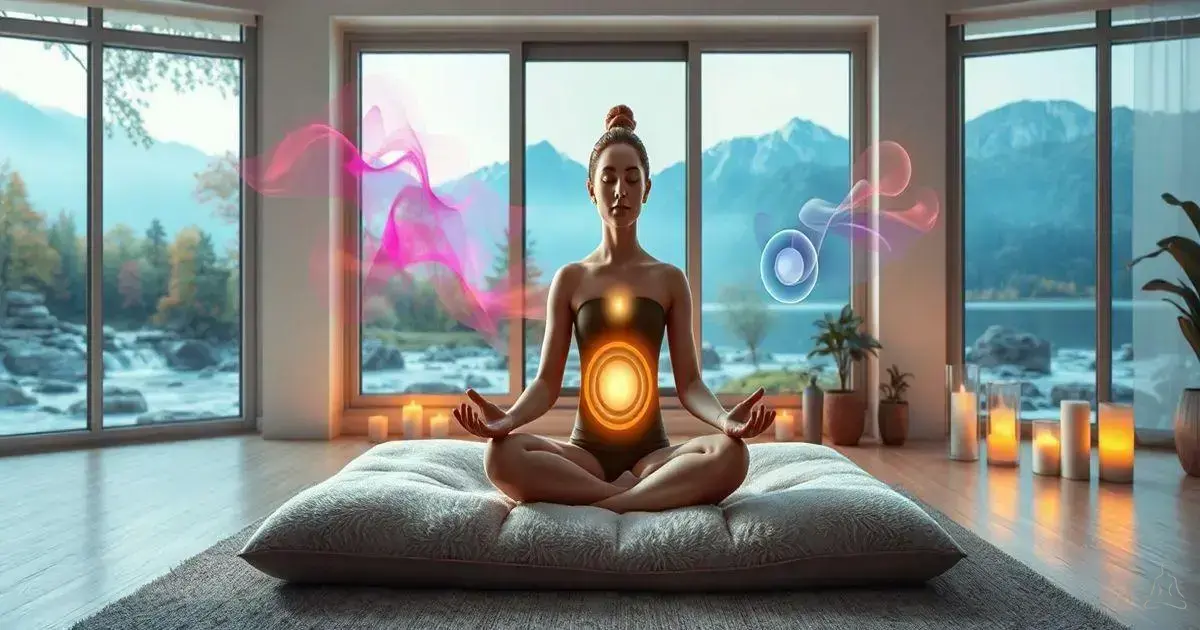
Integrating step-by-step guided visualization practices into your meditation routine can significantly deepen your experience and make your sessions more effective. Here’s a simple guide to get you started.
- Prepare Your Space: Find a quiet, comfortable space free of distractions. This space should feel safe and inviting, setting the stage for a peaceful meditation experience. Dim the lights, light a candle, or play soft background music to enhance the ambiance.
- Set Your Intention: Begin by determining what you hope to achieve from the session. Whether it’s relaxation, clarity, or inspiration, having a clear intention will guide your visualization process.
- Start with Relaxation: Close your eyes and take deep, slow breaths to relax your body and mind. Focus on releasing any tension, starting from the top of your head and working your way down to your toes.
- Initiate the Visualization: With your intention in mind, picture a scene or scenario that aligns with your goals. It could be a serene beach, a lush forest, or envisioning yourself achieving a personal milestone. Engage all your senses—imagine the sights, sounds, smells, and even the feel of the environment.
- Immerse Yourself: Spend several minutes fully immersed in your visualization. Allow the images to unfold naturally, and embrace the emotions and sensations they evoke.
- Gradually Return: When you’re ready, slowly bring your awareness back to the present moment. Wiggle your fingers and toes, and open your eyes. Take a moment to reflect on your experience before rising.
By following these steps, you can harness the power of guided visuals to enhance your meditation practice and achieve deeper levels of relaxation and mindfulness.
Creating a Personalized Meditation Space
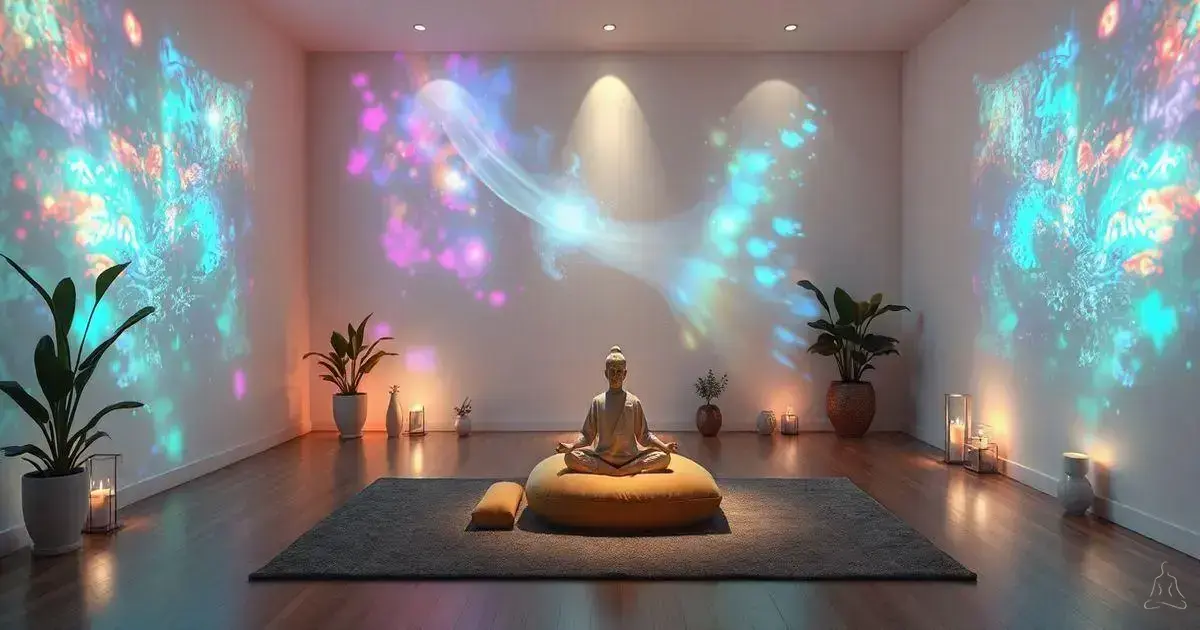
Setting up a personalized meditation space is like crafting a sanctuary tailored to your own needs and preferences. The right environment can profoundly influence your meditation practice, making each session more enjoyable and effective.
First things first, choose a location in your home that feels private and peaceful. It doesn’t need to be a whole room—it could be a cozy corner or a nook by the window. The key is to ensure it’s a place where you won’t be disturbed.
Next, focus on furnishing your meditation space with items that foster relaxation. Consider incorporating a comfortable cushion or mat to sit on. You might also add a soft throw or blanket for extra coziness. The color palette of your space can make a difference too; opt for soothing, neutral tones that promote calmness.
Introduce elements that engage the senses. Soft lighting, such as candles or a dim lamp, can create a warm and welcoming atmosphere. Consider including items like incense, essential oils, or a small diffuser to add calming scents that enhance your sensory experience.
Sound can also play a role in personalizing your space. You might enjoy having a player or app that can loop gentle melodies or nature sounds like rainfall or ocean waves, which can help mask unwanted noise and set a tranquil mood.
Lastly, personalize your space with meaningful objects that inspire peace and focus. This could be a cherished photo, a spiritual symbol, or a small plant. These items can serve as visual reminders of your inner journey and aspirations.
In creating this personal meditation haven, you craft a dedicated environment that beckons you back time and again, deepening your commitment to self-care and mindfulness.
Overcoming Challenges in Visualization

Even for the most seasoned meditators, overcoming challenges in visualization can seem daunting, yet tackling these obstacles is essential for a more enriching practice. Let’s explore how to address some common hurdles.
One of the biggest challenges is distraction. It’s normal for the mind to wander, especially when you’re trying to focus on a specific image or scenario. To combat this, start with shorter visualization sessions and gradually increase the duration as you become more comfortable. You can also use grounding techniques like deep breathing to bring your focus back to your visualization.
Another issue can be the inability to form vivid images. Not everyone finds it easy to create clear mental pictures. If this is a struggle for you, try incorporating sensory details gradually. Focus first on simple elements like colors or shapes before moving on to more detailed visualizations. Remember, the goal is not perfection—instead, aim for a general sense or feeling of the image.
Impatience can also pose a barrier. It’s easy to get frustrated if progress feels slow. To counter this, practice patience and kindness toward yourself. Acknowledge that visualization is a skill that develops over time with consistent practice. Setting small, achievable goals can provide a sense of progress and encouragement.
Lastly, some people encounter a fear of emotional discomfort that visualization might bring up. If this happens, remember it’s okay to take a break or adjust the scenario you’re visualizing to something that feels safer or more positive.
Overcoming these challenges requires perseverance and a willingness to adapt your approach. With time and practice, you’ll find yourself more adept at using visualization as a powerful meditation tool.
Enhancing Visualization with Breathing Exercises

Pairing visualization with breathing exercises can profoundly enhance the effectiveness of your meditation sessions. This powerful combination not only deepens relaxation but also strengthens your mental imagery.
Start by choosing a simple breathing technique, such as diaphragmatic breathing. This involves inhaling deeply through your nose, allowing your abdomen to expand, and exhaling slowly through your mouth. Deep, rhythmic breathing helps quiet the mind and prepare it for visualization.
As you settle into this breathing pattern, bring your focus to the visualization of your choice. For instance, as you inhale, imagine drawing in peace and clarity, visualizing these qualities as light or a soothing color. On the exhale, picture letting go of tension or negative thoughts, watching them dissipate like mist.
This process can be further enhanced by using the breath as a focal point. Syncing the pace of your breath with your visualization creates a rhythmic harmony, helping to anchor your mind in the present moment. This can make your imagery more vivid and the overall experience more immersive.
Furthermore, consider incorporating specific breathing techniques tailored to your visualization goals. For deeper relaxation, try the 4-7-8 technique, inhaling for four counts, holding for seven, and exhaling for eight. This method promotes tranquility and grounds your visualization, making it more tangible and impactful.
By consistently practicing these exercises, you not only enhance the vividness of your mental imagery but also cultivate a greater sense of calm and well-being, enriching your meditation practice on multiple levels.
Conclusion
Harnessing the power of visualization in guided meditation opens doors to profound personal growth and transformation.
By understanding and implementing effective visualization techniques, meditators can enrich their practices, overcoming distractions and challenges.
Visualization not only enhances focus and reduces stress but also nurtures emotional resilience and creativity.
Crafting a personalized meditation space invites tranquility, ensuring a conducive environment for visualization and meditative reflection.
Coupling visualization with breathing exercises creates a seamless, immersive experience, grounding the mind and enhancing imagery.
As you journey into guided meditation, remember that each visualization practice is a step towards inner peace and fulfillment, offering renewed clarity and direction in the bustling pace of modern life.
FAQ – Common Questions on Visualization in Guided Meditation
What is the role of visualization in guided meditation?
Visualization serves as a tool to enhance focus and deepen the meditation experience by creating vivid mental images.
How can I improve my visualization skills during meditation?
Start with simple imagery, gradually add sensory details, and practice regularly to develop more vivid and detailed visualizations.
What are the benefits of combining breathing exercises with visualization?
Breathing exercises can enhance relaxation and focus, making visualization more vivid and anchoring the mind in the present moment.
How do I create a personalized meditation space?
Choose a quiet, comfortable space, use peaceful decor, engage the senses with lighting and scents, and personalize with meaningful objects.
What if I get distracted while visualizing during meditation?
Start with shorter sessions, use grounding techniques like deep breathing, and gently refocus your mind when it wanders.
Are there specific breathing techniques recommended with visualization?
Yes, techniques like diaphragmatic or 4-7-8 breathing promote relaxation and can enhance the effectiveness of your visualization.